How the European Individual Chess Championship Works
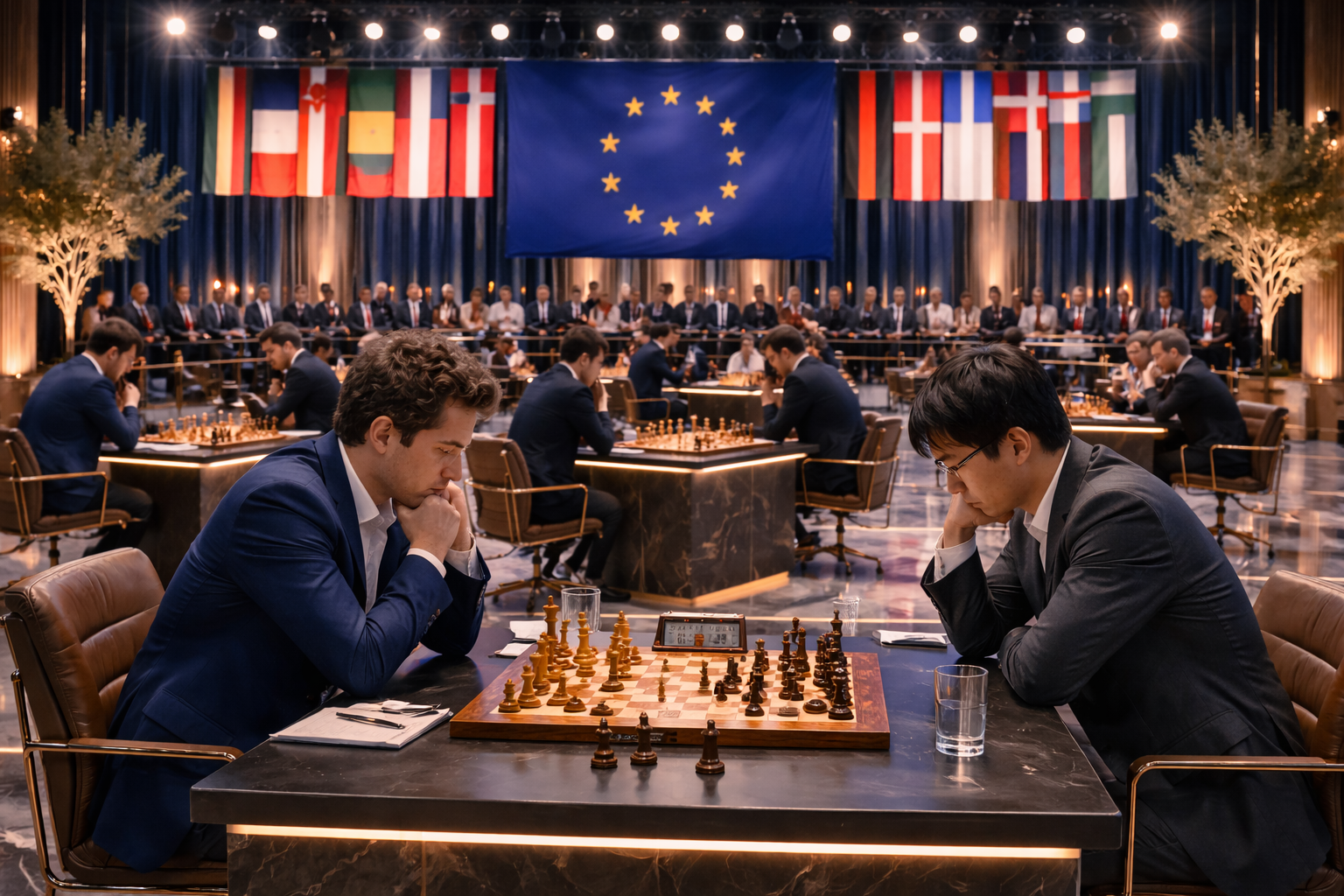
If you follow chess closely, you already know that not every important tournament gets the same kind of attention. Some events dominate the conversation because of superstar names, giant prize funds, or the simple fact that social media knows how to turn them into a daily show. Other tournaments matter just as much, and sometimes more, but live in a quieter corner of the chess world. They are respected by professionals, valued by ambitious players, and understood best by readers who care about how real chess careers are built.
The European Individual Chess Championship belongs firmly to that second group.
It may not arrive with the drama of a world title match or the weekly visibility of a major online event, but it remains one of the most meaningful competitions in the European chess calendar. It sits at a fascinating crossroads: prestige, opportunity, difficulty, and practical value. For established grandmasters, it is a serious test. For rising players, it can be a career accelerator. For fans, it is one of the best reminders that high-level chess is much deeper than a handful of famous names.
That is exactly why this topic works so well for DeepBlunder. Readers searching how the European Individual Chess Championship works are not looking for empty hype. They want a proper explanation, a clear guide, and a useful article that tells them why this event matters. That is a much better fit for a thoughtful chess site than a generic news recap.
If you want to connect this piece to your wider editorial universe, add an internal link early to your elite-event coverage, such as FIDE Candidates 2026. For readers who want the formal side of the event, the European Chess Union publishes official regulations for the Individual European Chess Championship. Basic public background on the championship is also summarized in reference material.
European Individual Chess Championship explained
More than just another open tournament
One reason the championship is easy to underestimate is that the name sounds straightforward. To someone outside the tournament world, it can seem like one more large open event, a continental title with a respectable label and not much else. That reading misses the point.
The European Individual Chess Championship matters because it combines symbolic value with practical consequences. It is not only about lifting a trophy at the end. It is about navigating a difficult field, staying stable over many rounds, facing serious opposition, and proving that you can deliver in a setting where every half-point has weight. A strong result here tends to mean something because it is hard-earned.
That distinction matters more than ever in modern chess. Strong players do not build careers only through one magical weekend or one viral win. They build them through repeated performances in events where the level is deep, the margin for error is narrow, and the final table reflects endurance as much as talent.
Why ambitious players care so much
For a rising player, a tournament like this offers far more than a line on a résumé. It offers visibility, credibility, and a chance to be taken more seriously by the wider chess world. That matters because chess careers often move one step at a time. A good result in the right event can change who notices you, who invites you, and how your future performances are interpreted.
A strong run here can help a player:
Build an international reputation.
Gain momentum for the rest of the season.
Score serious results against titled opposition.
Strengthen the sense that they belong at a higher level.
Turn one good tournament into long-term professional value.
This is why the event often feels richer than it first appears. The standings tell one story, but underneath that table are many others. Some players are fighting for a breakthrough. Some are protecting status. Some are proving that they can handle real pressure. Some are trying to show that their chess has matured beyond flashes of talent.
That layered competitive reality is part of what makes the championship so compelling. It is not just about one winner. It is about dozens of careers moving at once.
Why the European chess championship matters
It shows a broader version of serious chess
A lot of mainstream chess coverage naturally gravitates toward the same small circle of stars and the same handful of elite events. That is understandable. Big names attract attention, and familiar narratives are easy to package. But for readers who genuinely love chess, the European Individual Chess Championship offers something more interesting: range.
This is where you often see a far broader cross-section of serious competitive chess. You get experienced grandmasters, ambitious young talents, underrated professionals, strong national champions, dangerous specialists, and players who may not be famous yet but are clearly moving in the right direction. The field tends to feel more alive and less scripted than highly curated invitational tournaments.
That makes the event refreshing. Not every strong chess story needs to begin with the same two or three names. Sometimes the most interesting tournament is the one that forces you to pay attention to players you were not already talking about.
A better learning event than many fans realize
For club players and improving amateurs, this tournament can be even more useful than some of the flashier events that dominate headlines. The reason is simple: the chess is often practical in a very human way.
Yes, you still get preparation. Yes, you still see high-quality opening work and deep calculation. But you also see discomfort, resistance, time pressure, overextension, recovery, technical conversion, and the kind of mistakes that happen when players are trying to survive long events rather than create highlight clips.
That makes the games deeply educational. If you are trying to get stronger yourself, this is exactly the kind of tournament worth following because it teaches lessons that feel transferable.
Here is what improving players can learn from it:
How stronger players handle long games when no position feels easy.
How small edges get converted without unnecessary drama.
How preparation interacts with real over-the-board stress.
How difficult it is to stay objective after a setback.
How often quiet patience matters more than flashy brilliance.
How tournament discipline often beats one-off inspiration.
In other words, the championship does not only entertain. It explains chess in motion.
How the European Individual Chess Championship works in practice
A real test of consistency
When readers search how the European Individual Chess Championship works, they are often asking something slightly deeper than a rules question. They want to know what makes the event respected. They want to understand why players talk about it differently from ordinary tournaments.
The short answer is consistency.
This is not the kind of event where one dramatic win settles everything. It is a competition that tends to reward players who can put together serious chess day after day. That means more than tactical sharpness. It means emotional control, preparation discipline, physical stamina, and the ability to score without losing balance after one good or bad result.
That is why the event feels so honest. Almost every strong player can produce one great game. Far fewer can produce a great tournament. The European Individual Chess Championship often exposes that difference with unusual clarity.
The European chess championship format rewards maturity
Even when people search European chess championship format, what they usually want is not a dry regulation sheet. They want to understand what kind of player this event tends to reward.
The answer is a mature one.
This is usually a tournament where the most successful players are not simply the most aggressive or the most theoretically fashionable. They are the ones who know when to press, when to stabilize, when to take a practical decision, and when not to force a position that does not need forcing. That blend of ambition and restraint is one of the hardest things to develop in chess.
You can think of the event as a long conversation between skill and control. Talent matters, of course. But talent without pacing often burns too hot. This championship tends to favor the player who can stay dangerous without becoming reckless.
What fans should actually pay attention to
One mistake readers often make when following a big tournament is to focus only on isolated headlines. One flashy attack, one upset result, one painful blunder. Those moments are memorable, but they are not always the best guide to what is really happening.
In a championship like this, the most revealing patterns are usually quieter.
Here are the signals worth watching:
Which players keep appearing on the top boards.
Who is scoring without taking wild risks.
Who recovers well after a disappointing round.
Which players are building momentum rather than peaking too early.
Who looks comfortable in technical positions, not only tactical ones.
Who keeps making sensible decisions under small but constant pressure.
Those details are often more predictive than a single spectacular win. A player who keeps building playable positions, avoiding emotional swings, and collecting useful points is usually telling you far more about their event than someone who produces one brilliant game and then fades.
That is one of the hidden pleasures of following this championship closely. It teaches you to see chess tournaments as processes, not just collections of highlights.
Why this event matters for the bigger chess ecosystem
Continental events still shape real careers
In the age of algorithm-driven attention, online speed formats, and permanent commentary cycles, it is easy to forget how important serious over-the-board tournaments still are. But competitive chess cannot survive on hype alone. It needs meaningful events below the absolute summit. It needs tournaments that create structure, prove strength, and give ambitious players somewhere real to measure themselves.
The European Individual Chess Championship is one of those events.
It helps support the middle and upper-middle layers of the chess ecosystem, the part where professional players, elite juniors, experienced masters, and dangerous outsiders all fight for progress. Without tournaments like this, chess would start to feel top-heavy. We would have a few giant spectacles at the top and much less substance underneath.
That is why this championship deserves better coverage than it usually receives. It is not just a competition. It is part of the machinery that keeps high-level chess healthy.
It rewards the qualities chess fans claim to admire
There is also something refreshing about this event because it tends to reward exactly the qualities chess fans say they care about most, even if those qualities do not always trend online.
Among them:
Endurance.
Practical decision-making.
Emotional control.
Adaptability over many rounds.
The ability to keep pressing without losing shape.
Discipline when the tournament begins to feel long.
Those are not glamorous qualities in the social media sense. They are not always easy to turn into a clip or a meme. But they are central to real tournament success. And for readers who care about improvement rather than noise, they are far more interesting than daily drama.
That is one reason the European Individual Chess Championship matters beyond its own final standings. It quietly preserves a more serious definition of chess strength.
Players to watch in the European Individual Chess Championship
Not just the obvious stars
When people search players to watch in the European Individual Chess Championship, they are not always asking for a list of famous names. Very often, they are looking for a better way to read the event.
The most interesting players in this tournament are usually not only the top seeds. They are the ones arriving at a certain moment in their careers: young players pushing upward, experienced grandmasters trying to reassert themselves, dangerous underdogs with strong form, and solid professionals who suddenly look ready for something bigger.
That is what makes the event so enjoyable from an editorial point of view. It creates stories before it creates headlines. You can spot confidence rising. You can see who is comfortable on top boards. You can feel when a player is no longer just participating, but shaping the event.
The most useful lens for readers
Instead of thinking only in terms of pre-tournament favorites, readers should watch for player types:
The experienced scorer who rarely gives away easy points.
The junior talent whose confidence is beginning to look permanent.
The practical grinder who keeps winning “normal” positions.
The tactically dangerous outsider who makes every opponent uncomfortable.
The player who is not fashionable in coverage but keeps moving up the table.
That is a better reading habit than simply asking who has the highest rating. Rating matters, but tournament energy matters too. The most interesting player in a championship is often the one whose level is meeting the right moment.
Why this is one of the best European chess events for ambitious players
A proving ground, not a comfort zone
If someone asked for the best European chess events for ambitious players, this championship would deserve to be part of the answer. Not because it is easy, and not because it guarantees anything, but because it forces growth.
Ambitious players need more than occasional success. They need events that expose their weaknesses and reward their improvements. They need tournaments where a good performance actually means something. This championship offers exactly that. It does not flatter anyone. It asks real questions.
Can you stay balanced after a painful draw?
Can you recover from a missed win?
Can you keep your decisions clean when the event starts to feel long?
Can you be patient when another player is forcing things?
Can you hold your nerve when the chance you were waiting for finally arrives?
These are not side questions. They are central to real chess development.
Why that matters to readers too
This is also why the event works so well as a topic for DeepBlunder readers. The audience here is not just looking for results. They want to understand what decisions mattered, what patterns are worth studying, and what lessons translate into their own play.
That makes the transition from article to product feel natural rather than forced.
Mid-article CTA
Watching a strong tournament is interesting. Studying it properly is how you improve. With DeepBlunder, you can break down the critical moments from European championship games, compare practical candidate moves, and turn high-level tournament chess into training that actually helps your own play.
This kind of CTA works because it respects the reader’s intent. Someone reading a long-form guide to the European Individual Chess Championship is already in learning mode. They want structure, clarity, and a better way to understand strong chess. DeepBlunder fits that mindset perfectly.
Why this tournament deserves better coverage
It lives in the sweet spot between prestige and usefulness
Some events are famous but repetitive. Others are chaotic but hard to learn from. The European Individual Chess Championship sits in a much more interesting place. It is prestigious enough to matter, difficult enough to be respected, and practical enough to teach something valuable to anyone who follows it properly.
That combination is rare.
It is also why a long-form article makes sense here. Short coverage often misses the point of tournaments like this. It reduces them to standings, one upset, and a final winner. But the real value is in the texture: the layered field, the grinding difficulty, the accumulation of decisions, and the way the event rewards players who can stay sane under pressure.
Why serious readers return to this kind of chess
Readers who care about genuine competitive chess usually return to tournaments like this for the same reason players do: they feel real. There is less performance around the event and more substance inside it. The games matter. The standings matter. The effort is visible.
And that authenticity matters editorially. When you publish a piece like this, you are not chasing noise. You are building trust with readers who appreciate a site that knows where meaningful chess actually lives.
Conclusion
The European Individual Chess Championship is one of those tournaments that strong players respect, ambitious players measure themselves against, and casual readers too often overlook. That is precisely why it deserves careful coverage. It is not important because it is loud. It is important because it is difficult, meaningful, and deeply connected to how serious chess careers are built.
FAQ
What is the European Individual Chess Championship?
The European Individual Chess Championship is one of the most important continental events in competitive chess. It brings together a deep field of strong players and matters not only because of the final winner, but because it often influences reputation, momentum, and the wider path of ambitious professionals.
Why does the European Individual Chess Championship matter so much?
It matters because it combines prestige with practical value. A strong result in this kind of event can change how a player is viewed, strengthen an entire season, and provide evidence that they can perform in a serious multi-round tournament against high-level opposition. For fans, it is also one of the best ways to see how competitive European chess really is beyond the small group of universally famous names.
How does the European Individual Chess Championship work in practice?
At a practical level, the event rewards consistency far more than one standout moment. That is why so many readers search how the European Individual Chess Championship works. They are really asking why the tournament is so respected, and the answer is that it usually rewards stability, preparation, resilience, and the ability to keep scoring over time without losing emotional balance.
Is this a good tournament for club players to follow?
Yes, absolutely. In fact, it may be more useful than some flashier events because the games often show practical, human chess rather than only perfect engine-backed preparation. Club players can learn a great deal from watching how stronger players handle tension, defend difficult positions, convert small advantages, and recover from setbacks over the course of a long tournament.
Why is the European chess championship format so respected?
Because it tends to expose the difference between talent and tournament strength. A player can be brilliant in one game, but this kind of championship usually asks for much more: pacing, discipline, emotional control, and the ability to make good decisions repeatedly. That is why the European chess championship format is respected by serious players. It rewards maturity as much as raw skill.
From the same category
Keep reading
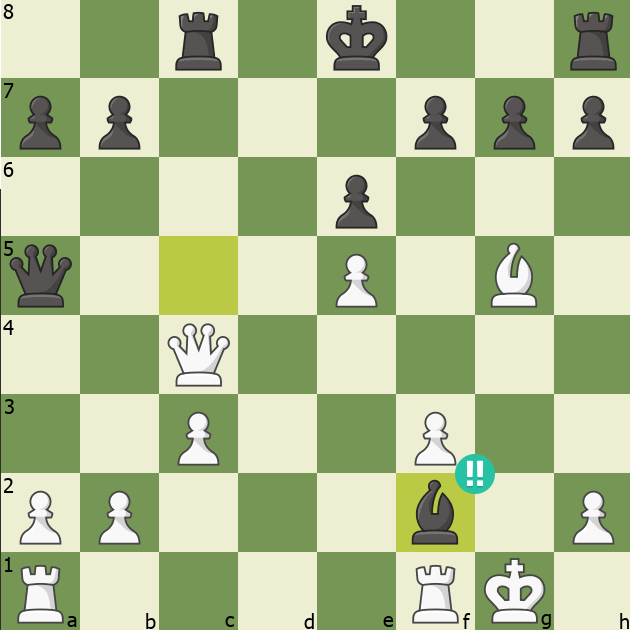
Brilliant Chess Move: Stunning Bishop Sacrifice Led to Checkmate
Most chess players have experienced it at least once. You spot a free pawn, win some material, and feel confident about your position—only to discover that your opponent had seen something much deeper.

Why Your Chess Accuracy Drops After Move 15
If your chess accuracy drops after move 15, the problem is not that you suddenly become a worse player. The problem is that the game has shifted from memory to understanding, and you have not trained that transition enough.
Why You Always Get in Time Trouble (And How Stockfish 18 Fixes It)
Every chess player knows the feeling. You navigate the opening perfectly. You transition into a solid middlegame. You build a completely fine, perhaps even slightly superior, position. And then, you glance at the clock. Your opponent has 15 minutes left. You have 42 seconds. Panic!